


 Nitin KumarDatenerzähler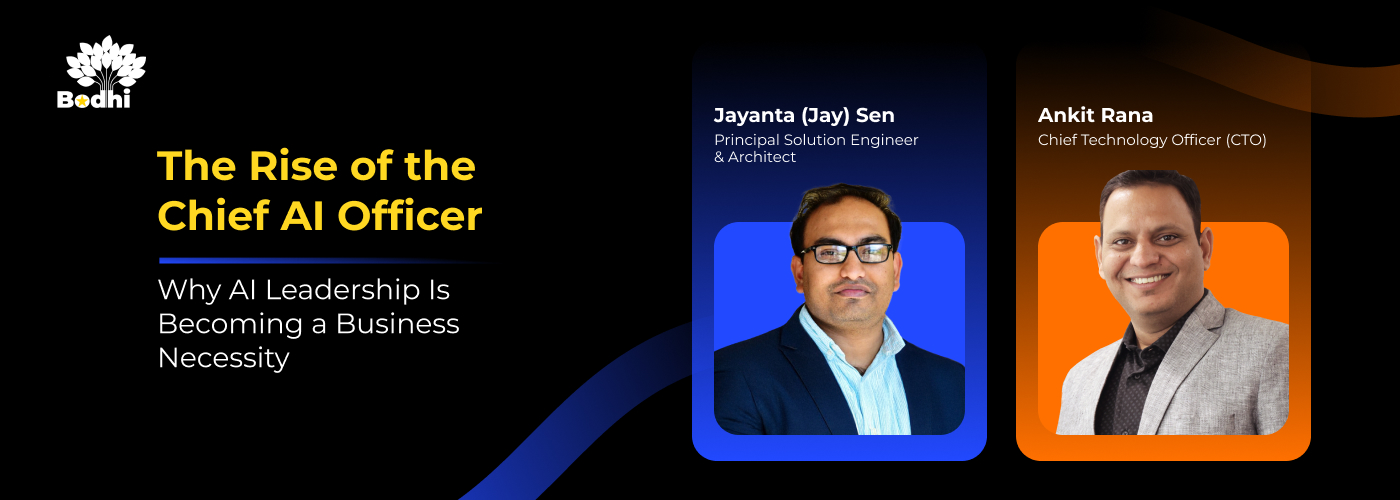
Melden Sie sich an, um die neuesten Einblicke und Updates zu Technologie, KI & Datenanalyse, Data Science und Innovationen von Polestar Analytics zu erhalten.
 Fassen Sie diesen Blogbeitrag wie folgt zusammen:
TL;DR:Nicht jedes Unternehmen braucht einen Chief AI Officer, aber jedes Unternehmen braucht jemanden, der die Verantwortung für KI trägt. Dieser Artikel erläutert, warum diese Rolle an Bedeutung gewinnt, wer sie benötigt, was die Aufgaben konkret umfassen und woran man erkennt, dass es Zeit ist, einen solchen Chief AI Officer einzustellen. Grundlage hierfür ist ein Gespräch zwischen Jay Sen von Microsoft und Ankit Rana von Polestar Analytics.
Wer in letzter Zeit auf LinkedIn unterwegs war, hat den Titel überall gesehen: Chief AI Officer.
Die NASA stellt dafür Mitarbeiter ein.Große GesundheitsunternehmenSie stellen dafür ein. Die Vorstände fragen ihre Führungsteams, warum sie noch keinen haben.
Handelt es sich also um eine echte Veränderung oder nur um einen weiteren Titel, den die Unternehmen hinzufügen, weil alle anderen ihn auch haben?
Fawzan Yusuf, Leiter des kommerziellen Geschäftsbereichs bei Polestar Analytics, setzte sich mitJay Sen, leitender Technologiearchitekt für KI/ML und GenAI bei Microsoft, undAnkit Rana, CTO und Leiter der Innovationsabteilung bei Polestar Analytics, um das zu besprechen.
Ihre Antwort: Hier geht es nicht um einen neuen Titel.Es geht darum, der KI etwas zu geben, was sie in den meisten Unternehmen noch nicht hat.Jemand, der dafür verantwortlich ist.
Ankit eröffnete das Gespräch mit einer kurzen Fragerunde für Jay. Hier die Ergebnisse:
Künstliche Intelligenz ist nicht länger etwas, mit dem die IT still und heimlich in einer Ecke experimentiert. Sie durchdringt nun die gesamte Funktionsweise des Unternehmens.
Das bedeutet, dass Unternehmen jemanden brauchen, der zwei Dinge gleichzeitig kann: verstehen, was KI leisten kann, und es so erklären, dass es auch für den Rest des Unternehmens verständlich ist.
Der wahre Grund, warum Unternehmen diese Position besetzen, liegt nicht darin, dass KI intelligenter geworden ist, sondern in ihrer zunehmenden Verbreitung. Sobald jedes Team begann, sie auf unterschiedliche Weise einzusetzen, war sie nicht mehr nur ein Problem eines einzelnen Teams.
Wenn Marketing, Finanzen, Betrieb und Produktentwicklung alle ihre eigenen KI-Tools ohne Steuerung einsetzen, liegt das Problem nicht an den Tools selbst, sondern darin, dass niemand die Verantwortung trägt.
Nicht jedes Unternehmen benötigt jetzt sofort eine. Es hängt davon ab, wie stark das Unternehmen bereits auf KI setzt, wie komplex die Abläufe sind und wie stark die Branche reguliert ist.
So sieht die aktuelle Lage ungefähr aus:
Erfahren Sie, wie führende Unternehmen im Jahr 2026 KI-Investitionen priorisieren, eine effektive Governance etablieren und den ROI messen, um den Geschäftserfolg zu maximieren.
Lesen Sie den ArtikelViele Menschen gehen davon aus, dass ein Chief AI Officer den ganzen Tag programmieren muss. Das stimmt nicht.
Bei dem Job geht es weniger um die Technologie selbst, sondern vielmehr darum, diese Technologie mit Geschäftsergebnissen zu verknüpfen.
Tools wie Microsoft Copilot erleichtern die tägliche Nutzung von KI. Dadurch verliert die technische Seite an Hürde. Genau deshalb muss diese Rolle in erster Linie eine betriebswirtschaftliche und erst in zweiter Linie eine technische sein.
„Daten, die in einem Datenlager liegen, bewirken von sich aus nichts. Sie schaffen erst dann Wert, wenn jemand sie nutzt, um schneller bessere Entscheidungen zu treffen.“
KI ist gut in der Ausführung. Sie ist aber kein Ersatz für Urteilsvermögen. So sieht die Aufteilung der beiden Bereiche aus:
| Was KI erledigt | Wo ein CAIO ins Spiel kommt |
|---|---|
| Findet schnell Muster in großen Datenmengen | Verknüpft diese Muster mit realen Geschäftszielen und verfolgt den Ertrag |
| Automatisiert wiederkehrende Aufgaben | Hilft Teams dabei, ihre tägliche Arbeitsweise zu verändern. |
| Beschleunigt Tests und Experimente | Management von Risiken, Datenschutz und Compliance |
| Stellt auch technisch nicht versierten Personen leistungsstarke Werkzeuge zur Verfügung. | Sorgt dafür, dass Abteilungen dieselbe Sprache in Bezug auf KI sprechen. |
Im Wesentlichen vier Dinge:
Nicht alle Unternehmen starten von der gleichen Ausgangslage. Manche entwickeln ihre KI-Kompetenzen von Grund auf neu. Andere betreiben bereits fünf verschiedene Tools ohne jegliche Koordination. Jedes Unternehmen verfolgt einen anderen Ansatz.
| Neuanfang | Das bestehende Chaos beheben | |
|---|---|---|
| Ausgangspunkt | Bislang ist kaum KI im Einsatz. | KI-Tools sind in verschiedenen Abteilungen verteilt. |
| Erster Schritt | Finde die Geschäftsprobleme, die es wert sind, gelöst zu werden | Überprüfen Sie die bestehenden Systeme und beheben Sie Sicherheitslücken. |
| Priorität | Planen Sie die ersten 30, 60 und 90 Tage, um schnelle Erfolge zu erzielen. | Alle Werkzeuge in einem System zusammenführen |
| Ziel | Mit frühen Siegen Schwung aufbauen | Risiken minimieren und sicher skalieren |
Auch die Zeitpläne unterscheiden sich. Digitalunternehmen agieren schnell. Traditionelle Unternehmen sollten mit 12 bis 14 Monaten rechnen, bevor sie echte Ergebnisse sehen.
Drei Anzeichen dafür, dass es Zeit ist, jemanden mit der Verantwortung für KI zu betrauen:
Egal, ob Sie mit einer Greenfield- oder Brownfield-Umgebung beginnen, lernen Sie, wie Sie hochwertige KI-Anwendungsfälle identifizieren, Initiativen priorisieren und KI mit einem strukturierten Ausführungsrahmen verantwortungsvoll skalieren können.
Laden Sie das Playbook herunterIst der Chief AI Officer also nur ein weiterer Titel, der auf der KI-Welle mitschwimmt?
Nicht ganz. Der Titel ist optional. Die Verantwortung nicht.
Da KI in alle Bereiche eines Unternehmens vordringt, muss jemand die Verantwortung dafür tragen – für die Strategie, die Risiken, die Mitarbeiter und die Ergebnisse. Ob man diese Person Chief AI Officer nennt oder nicht, die Stelle muss in jedem Fall existieren.
Sie möchten das vollständige, ungefilterte Gespräch hören? Sehen Sie sich die gesamte Sitzung hier an.
Nicht unbedingt. Große Unternehmen, die KI in mehreren Geschäftsbereichen einsetzen, profitieren am meisten von einer dedizierten KI-Führungskraft. Kleinere Organisationen können die KI-Verantwortung oft einer bestehenden Führungskraft übertragen, sofern diese für Strategie, Governance, Implementierung und Geschäftsergebnisse verantwortlich ist.
Es gibt kein einheitliches Berichtsmodell. Die richtige Struktur hängt von der Unternehmensgröße und dem Reifegrad der KI ab. Wichtiger als Berichtslinien ist, dass KI-Entscheidungen mit den Geschäftsprioritäten übereinstimmen und nicht isoliert innerhalb der IT verbleiben.
Anstatt sofort neue KI-Projekte zu starten, liegt der Schwerpunkt darauf, bestehende Initiativen zu verstehen, Doppelungen zu erkennen, Governance-Lücken zu schließen und einige wenige, aber wirkungsvolle Geschäftsprobleme auszuwählen, bei denen KI schnell messbaren Mehrwert liefern kann.
Ja, aber nur, wenn jemand eindeutig die Verantwortung für KI-Strategie, Governance, Investitionsentscheidungen und die abteilungsübergreifende Implementierung trägt. Der Titel ist optional; klare Verantwortlichkeit hingegen nicht.
Über den Autor
Datenerzähler
Die besten Ideen kommen nicht von allein. Sie warten darauf, dass man bereit ist.
Verwandter Blog
 Astha Chadha