 Kshitij GuptaDatastrateg
Registrera dig för att få de senaste insikterna och uppdateringarna inom teknik, AI och dataanalys, datavetenskap och innovationer från Polestar Analytics.
 Sammanfatta detta blogginlägg med:
Merparten av 2025 besökte kunder en webbutik via ChatGPT eller motsvarande och genomförde minst köp. De tittade igenom produkter och gick tomhänta därifrån. Återförsäljare som tittade på siffrorna drog rimlig slutsats att AI var en forskningskanal, inte en försäljningskanal.
Efter semestersäsongen vände allt upp och ner. EnligtAdobe Analytics, som förlitade sig på data från över en biljon besök till amerikansk onlinehandel, visade sig AI-hänvisningar vara minst 31 % mer effektiva än någon annan kanal för att förvärva kunder. Intäkterna per besök från AI-trafik ökade med 254 %. På Thanksgiving nådde skillnaden 54 %.
Kunden som brukade skylta med att titta runt i butiken anländer nu redo. De har redan jämfört, redan begränsat sina önskemål, redan frågat något specifikt. Ibland har en agent gjort det jobbet åt dem. Gartner på sinIT-symposiet 2025förutspådde att AI-kanaler skulle bidra till att omsätta över 15 biljoner dollar i B2B-försäljning år 2028, vilket återspeglar aktivitet i båda kanalerna snarare än bara köp på konsumentnivå.
Detta förändrar återförsäljarens centrala fråga. Den slutar vara "hur rankar vi i sökresultat" och blir något svårare att åtgärda: när en kund eller deras agent frågar efter något specifikt, kan våra data ge ett bra svar just nu? Det är just detta gap som Databricks Mosaic AI för detaljhandel byggdes för att täcka.
Detaljhandeln drivs av fragment. Loggar för försäljningsställen ligger separata från klickströmmar för e-handel. Lojalitetsregister finns i ett eget system. Lageruppdateringar kommer vid en annan klocka än allt annat.
En rekommendationsmotor som inte kan se allt på en gång producerar självsäkert nonsens. Den pushar en vara som sålde slut för en timme sedan. Den hälsar en tioårig kund som en främling. Modellen är sällan problemet; modellen resonerade utifrån ett partiellt perspektiv.
Vad det kostar är nu väl mätt.IHL-gruppens studie från september 2025sätter den globala lagerförvrängningen – den sammanlagda kostnaden för slut i lager och överlager – till 1,73 biljoner dollar per år, eller 6,5 % av den globala detaljhandelsförsäljningen. Ungefär Sydkoreas BNP, förlorad på att man inte vet vad som finns på hyllan.
Det mer tydliga resultatet finns längre ner i rapporten. Återförsäljare som använder AI och maskininlärning för att åtgärda problemet uppnår 2,3 gånger högre försäljningstillväxt och 2,5 gånger högre vinsttillväxt än konkurrenter som inte gör det. Ändå har färre än en fjärdedel av återförsäljarna framgångsrikt implementerat AI inom de områden där lagerförvrängningen drabbas hårdast. IHL:s president Greg Buzek formulerar det rakt på sak: utvecklas eller hamna på efterkälken.
Så aptiten är inte begränsningen.McKinseys tillstånd inom AI, publicerad i november 2025, fann att 88 % av organisationerna regelbundet använder AI i minst en funktion. Pengar är inte heller begränsningen. Begränsningen är avståndet mellan en modell som fungerar i en anteckningsbok och en modell som körs i produktion mot live, styrda data. Nästan två tredjedelar av organisationerna i samma undersökning har ännu inte alls börjat skala upp AI i hela företaget.
Databricks Mosaic AI är en del avDatabricks Data Intelligence-plattform, som just har fått varumärket Databricks AI. Det refererar inte till en modell. Det är plattformen som gör det möjligt för återförsäljare att använda sina egna data när de skapar ett antal applikationer, inklusive modellvisning, finjustering, AI-sökning för hämtning och konstruktion av ett agentramverk, där alla sådana processer regleras via Unity Catalog, vilket säkerställer att alla modeller spåras och övervakas korrekt i produktionen.
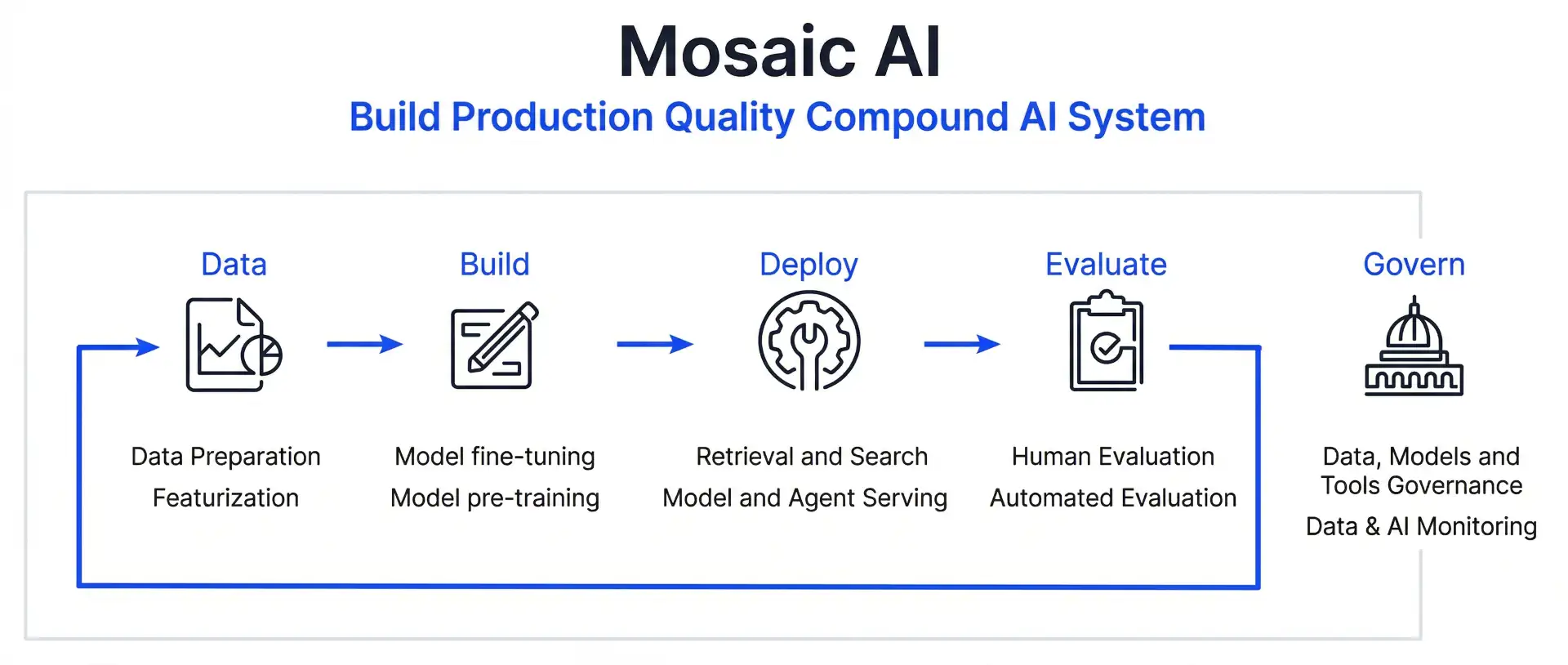
Två saker är viktigast inom detaljhandeln.
Det första är attAI-agenter för detaljhandelnresonera utifrån era enhetliga data snarare än generisk webbkunskap. En agent som känner till er SKU-hierarki, era regionala efterfrågemönster och er faktiska lagerposition svarar på en fråga annorlunda än en som arbetar från det öppna internet.
Det andra är agentramverket, som låter team bygga agenter som hämtar live-lager, anropar prissättnings-API:er och agerar, snarare än att bara prata.
Ingenjörskonsten underifrån har utvecklats snabbt.Databricksombyggd AI-sökning på en lagringsoptimerad arkitektur som skalar tillmiljarder vektorer till upp till 7 gånger lägre kostnad, med miljardvektorindex som nu byggs upp på under åtta timmar. Den publicerade prisjämförelsen är skarp: ungefär 7 000 dollar i månaden för 1,3 miljarder vektorer, mot ungefär 47 000 dollar för standarderbjudandet.Modellserveringhanterar nu mer än 250 000 frågor per sekund.
De siffrorna är viktiga av en praktisk anledning. Semantisk sökning över en komplett produktkatalog brukade vara ekonomiskt orimlig i detaljhandelsskala. Under en Black Friday-topp är genomströmningen skillnaden mellan realtid och för sent.
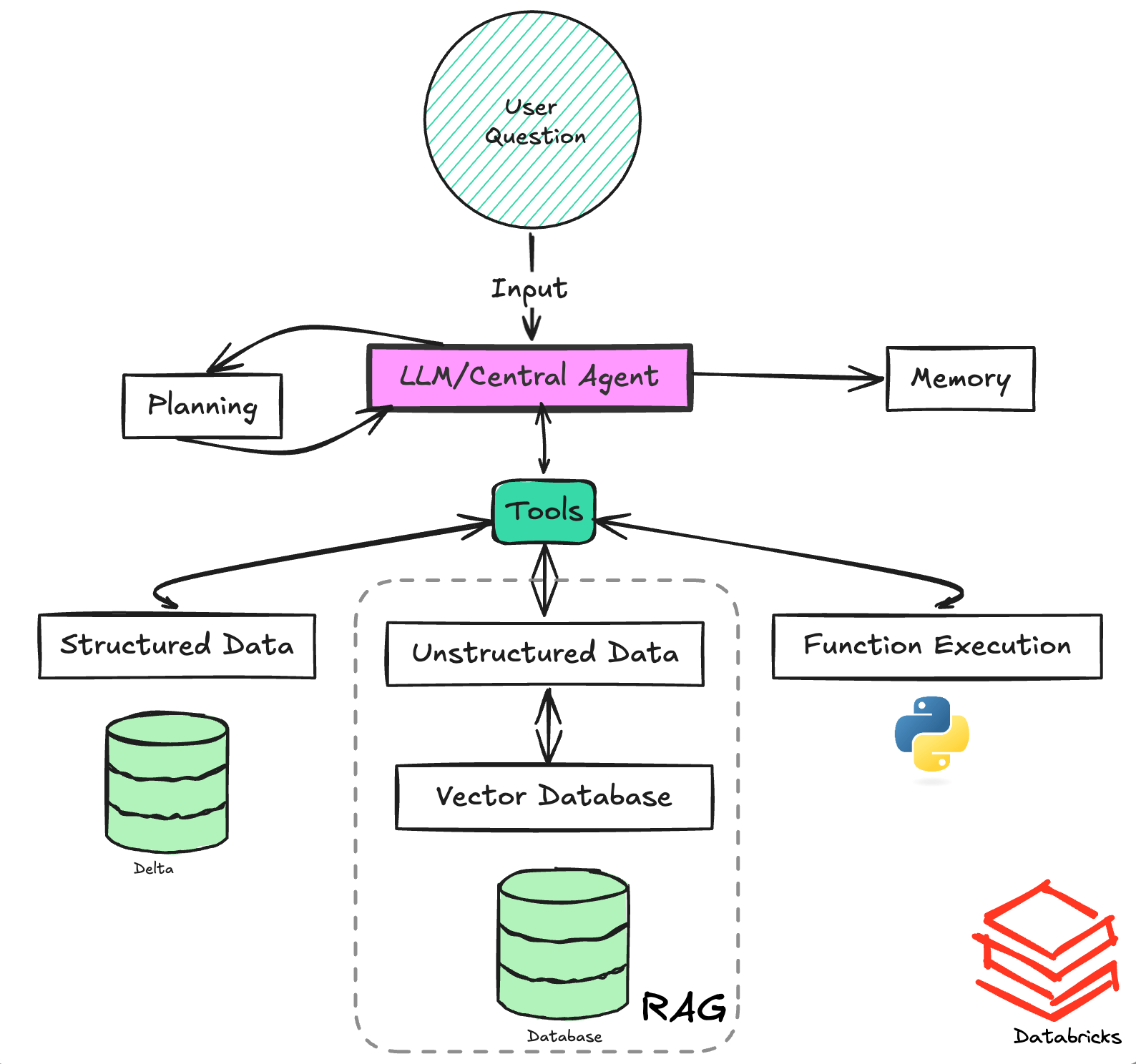
Här är de viktigaste användningsfallen för detaljhandeln som Databricks Mosaic AI-teamen implementerar idag:

Det är sammansättningen som är viktigare än ett enskilt användningsfall. Eftersom dessa agenter delar en styrd grund, läser prissättningsagenten och personaliseringsagenten samma sanning. Det är skillnaden mellan agentisk AI och en samling osammanhängande robotar som var och en vet lite men i tysthet inte håller med varandra.
Dessa är Databricks AI-lösningar som körs i produktion:
Adidasbyggde en RAG-chatbot för att analysera fler än 2 miljoner produktrecensioner. Latensen minskade med 60 %, vilket minskade den genomsnittliga svarstiden från 15,5 sekunder till sex. Övergången till mer effektiva modeller minskade beräkningskostnaderna med 91,67 %. Analytikernas effektivitet vid granskningsbaserade beslut förbättrades med 30 till 40 %, och fler än 50 beslutsfattare inom produkt, design och marknadsföring hämtar nu insikter direkt istället för att köa för dem.
Trek-cykelmigrerade till ett lager som kunde skalas ekonomiskt. Detaljhandelsapplikationer som kunde ta 48 timmar tar nu bara sex till åtta timmar – 80–90 % snabbare – tillsammans med att Lakehouse uppdateras tre gånger dagligen istället för en gång. Innan dess utförde Trek analyser bara en gång om dagen i Nordamerika, vilket innebar att andra regioner fick rapporter sent.
FOX Sportsskapade en AI-driven sökfunktion med hjälp av Databricks AI Search-plattform för Super Bowl LIX. Funktionen hanterar tusentals förfrågningar samtidigt och ger dubbelt så bra sökresultat som tidigare. Från och medJuni 2026, de som använde Sports AI-plattformen tillbringade ungefär dubbelt så lång tid i mobilappen.
Reckittbyggde en GenAI-insiktsmotor som förenar konsumentundersökningar, recensioner och sociala signaler i fler än 60 länder, vilket minskade kampanjanalysen som en gång tog veckor med 40 %.
En anmärkning om aggregerade ROI-siffror: behandla dem varsamt. De flesta cirkulerande siffrorna kommer från leverantörsbeställda undersökningar, och skillnaden mellan dem är tillräckligt stor för att antyda att metoden gör mycket arbete. De nämnda fallstudierna ovan är granskningsbara. Genomsnitten för undersökningarna är det inte.
Gapet förvärras, vilket är den obekväma delen.McKinseys undersökning 2025fann att 23 % av organisationerna redan skalar upp ett agentiskt AI-system i minst en affärsfunktion, medan ytterligare 39 % experimenterar. Varje månad en konkurrent lägger ner på att lära sig om livetrafik är en månad av iteration som en sen aktör inte kan köpa tillbaka senare till vilket pris som helst. Modeller förbättras baserat på produktionsfeedback, och produktionsfeedback kommer bara från att vara i produktion.
McKinsey fann också att högpresterande företag är ungefär tre gånger mer benägna att ha skalade AI-agenter över hela företaget. Det är inte en teknikgap. Det är en lucka i verksamhetsmodellen, och dessa luckor stängs långsammare.
Inget av detta kräver en enda vision. Det finns ett behov av att hantera data på ett systematiskt sätt och formulera ett fördefinierat användningsfall – vanligtvis personalisering eller kundservice – som ger resultat tidigt och uppenbart tillräckligt för att investera i ett nytt fall. Processen handlar mer om att skapa tillförlitliga grunder för att lita på den information som används för beslut än om att jaga den mest imponerande modellen.
Mosaic AI är inte en modell, det är lagret som omvandlar dina egna data till fungerande applikationer, med modellvisning, hämtning och ett agentramverk som styrs av Unity Catalog. Skillnaden är att agenter resonerar utifrån dina enhetliga data (din SKU-hierarki, faktiska lagerpositioner, regional efterfrågan) snarare än generisk webbkunskap, så svaren återspeglar vad som händer i din verksamhet just nu.
En rekommendationsmotor föreslår; en agent agerar. Inom agenthandel hanteras upptäckt, rekommendation och själva transaktionen för köparens räkning, med realtidssignaler för lager och pris som hämtas i beslutsögonblicket. Det är övergången från AI som pekar dig mot en produkt till AI som slutför köpet.
Den svåraste skillnaden är inte aptit eller budget, utan avståndet mellan en modell som fungerar i en bärbar dator och en som körs i produktion mot realtidsdata. Nästan två tredjedelar av organisationerna har inte alls skalat upp AI i hela företaget, och de som ligger före ser det som en utmaning med verksamhetsmodellen.
Om författaren
Datastrateg
De flesta data besvarar frågor. Rätt data ändrar riktning.
Relaterad blogg
 Astha Chadha